
Frequent repairs
If the furnace needs repeated service visits, replacement may be more practical than continuing to repair aging equipment.
Heating Replacement
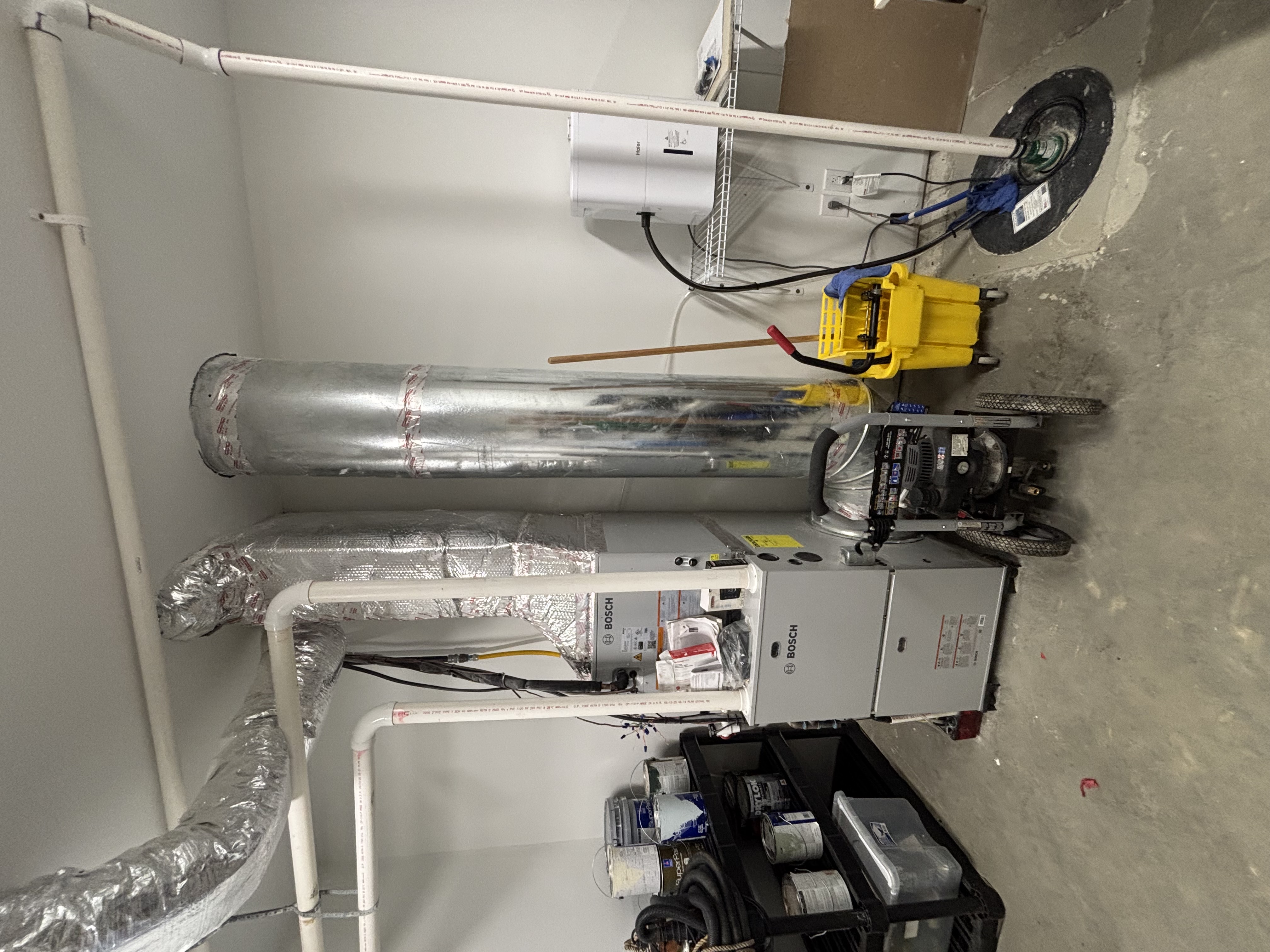
A furnace replacement should be more than a quick equipment swap. The right installation depends on proper sizing, airflow, ductwork, venting, gas piping, filtration, electrical safety, thermostat setup, and startup verification. OCD HVAC installs furnaces with careful attention to the details that affect comfort, safety, efficiency, and long-term reliability.
On-Time ✶ Competent ✶ Detailed
Furnace installation Roanoke VA
Replacing a furnace is one of the best opportunities to correct comfort, airflow, safety, and performance issues in a home. But if the new furnace is installed without checking the ductwork, venting, gas piping, filtration, electrical connections, and system setup, old problems can follow the new equipment.
OCD HVAC approaches furnace installation carefully. We look at the house, the existing system, the ductwork, the heating needs, and the details that determine whether the new furnace will actually perform the way it should.
Replacement signs
Frequent repairs
If the furnace needs repeated service visits, replacement may be more practical than continuing to repair aging equipment.
Uneven heating
Cold rooms, hot rooms, and poor airflow may point to equipment, ductwork, or installation issues that should be evaluated before replacement.
Rising energy use
An older or poorly performing furnace can use more energy than necessary, especially if it is oversized, dirty, or not operating correctly.
Noisy operation
Rattling, booming, whistling, or excessive blower noise can indicate mechanical, airflow, or duct system problems.
Age and condition
Older furnaces may still run, but that does not always mean they are safe, efficient, or worth investing in.
Comfort problems
If the system struggles to keep the home comfortable, the replacement process should start with understanding why.
System-first thinking
A furnace depends on the system around it. The ductwork has to move the right amount of air. The filter setup has to support airflow. The gas piping has to be appropriate. The venting has to be safe. The electrical work has to be correct. The thermostat and controls have to be set up properly.
A new furnace installed into a bad system can still leave you with comfort problems, noise, high energy use, nuisance shutdowns, or premature equipment issues. OCD HVAC takes time to look at the whole installation, not just the equipment label.
Installed, commissioned, verified
01
We look at the current furnace, ductwork, return air, supply air, filter setup, venting, gas piping, electrical connections, thermostat, and comfort complaints.
02
We explain practical equipment options, efficiency considerations, comfort tradeoffs, and any system issues that should be addressed during replacement.
03
We avoid guessing. Oversized furnaces can short-cycle, run loudly, reduce comfort, and create unnecessary wear.
04
We consider airflow, clearances, venting, condensate management for high-efficiency equipment, gas piping, electrical requirements, service access, and filtration.
05
We focus on neat workmanship, proper transitions, safe connections, sealed joints, practical serviceability, and a finished installation that looks like it belongs.
06
We check furnace operation, airflow-related performance, temperature rise, safety controls, thermostat setup, venting behavior, and overall system operation before calling the job complete.
Heating options
Many Roanoke homes use gas furnaces for reliable forced-air heating. Depending on the home, existing venting, budget, comfort goals, and installation conditions, a standard-efficiency or high-efficiency furnace may make sense.
Often simpler to install when existing venting is appropriate.
Can be a practical replacement option in many homes.
Still requires proper airflow, gas piping, venting, and setup.
Can reduce fuel use when installed correctly.
Requires proper condensate drainage and venting.
Installation details matter, especially in older homes.
Airflow matters
A furnace cannot perform well if the duct system cannot move the right amount of air. Poor return air, restrictive filters, undersized ductwork, dirty blower components, or bad transitions can cause noise, comfort problems, high temperature rise, nuisance limit trips, and shortened equipment life.
When replacing a furnace, OCD HVAC looks for airflow issues that could affect performance. Sometimes the most important part of a furnace replacement is correcting the system around it.
Details that matter
A proper furnace contractor in Roanoke should treat heating system replacement as a system project, not a quick equipment swap.
Good fit or maybe not
Your furnace is aging and needs frequent repairs.
The heat exchanger or major components are failing.
The system is unreliable or unsafe.
You want to improve comfort and system performance.
The existing installation has problems that can be corrected during replacement.
Repair costs are getting hard to justify.
The main issue is ductwork, airflow, or filtration.
The thermostat or controls are causing the complaint.
The furnace is newer and repairable.
The home has insulation or air leakage problems that should be addressed first.
A heat pump or dual-fuel approach may be a better fit for your goals.
Compare the options
A furnace is not always the only option. Some homes are better served by a heat pump, a dual-fuel system, or a broader HVAC replacement plan. OCD HVAC can help compare practical options based on the home, comfort expectations, operating costs, existing equipment, and budget.
Strong forced-air heat.
Familiar option for many Roanoke homes.
Depends on safe gas piping, venting, and airflow.
Provides both heating and cooling.
Can be very efficient in the right application.
Requires careful sizing and setup.
Combines a heat pump with a gas furnace.
Can provide efficient heating in milder weather and gas heat when needed.
More control-sensitive and should be set up carefully.
Service area
OCD HVAC serves Roanoke, Salem, Vinton, Cave Spring, South Roanoke, Grandin, Wasena, Raleigh Court, Botetourt County, Daleville, Troutville, Bonsack, Hollins, and nearby areas.
FAQ
Common signs include frequent repairs, unreliable heating, unusual noises, rising energy use, uneven comfort, age, or safety concerns. The best first step is to evaluate the equipment and the system around it before deciding.
It should not be. A proper furnace installation includes checking sizing, airflow, ductwork, venting, gas piping, filtration, electrical connections, thermostat setup, and startup operation.
Yes. Oversized furnaces can short-cycle, run loudly, create uneven comfort, and wear out components faster. Proper sizing matters.
Sometimes. A high-efficiency furnace can make sense, but it depends on the home, existing venting, condensate drainage options, budget, and installation details. The best option is not always the highest-efficiency label.
Not always. Uneven heating can be caused by ductwork, airflow, insulation, air leakage, or room-by-room load differences. Furnace replacement is a good time to evaluate those issues.
Yes. Airflow is critical to comfort, noise, efficiency, and equipment life. A new furnace still needs the right ductwork, return air, filter setup, and blower configuration.
In some homes, yes. A heat pump or dual-fuel system may be worth considering depending on the house, comfort goals, existing equipment, electrical capacity, and budget.
OCD HVAC can evaluate furnace replacement options, including gas furnace installation when it is the appropriate fit for the home, existing system, safety requirements, and project scope.
Heating Replacement, Done Carefully
If your furnace is aging, unreliable, noisy, unsafe, or struggling to keep your home comfortable, OCD HVAC can help you evaluate the system and decide whether replacement makes sense. The goal is not just a new furnace; it is a heating system that is installed, set up, and verified properly.